
Welcome! Unlock Your First Offer Here
Welcome! Unlock Your First Offer Here
Welcome Partners! Talk to us, Unlocking A Booming Market!
Welcome Partners! Talk to us, Exploring a High-Potential Market!
Leave Your Questions, Expert Support At Your Service!
Redefine a Comfortable Sofa


UK Furniture Fire Safety Regulations: What Sofa Importers Need to Know in 2026
UK fire safety rules for upholstered furniture are changing. One round of amendments came into force in October 2025. A wider reform remains under review and has not become law.
The difference matters. The rules in force today determine the fire safety requirements that sofas must meet when they are placed on the UK market. The proposals may change how compliance is demonstrated later. Treating the two as one leads to unnecessary testing or non-compliant stock.
The Furniture and Furnishings (Fire) (Safety) Regulations 1988 set the requirements that apply today to domestic upholstered furniture, including sofas supplied to UK households.
The regime relies on open flame testing, and the method depends on the component.
| Component | Test | Description |
|---|---|---|
| Cover materials | Match test | Uses a small flame |
| Foam fillings | Crib 5 test | Uses a larger ignition source |
The current regime prescribes tests for upholstery materials and fillings, including specific tests for certain composite fillings. However, the government has acknowledged that materials passing separate tests may behave differently when combined. This limitation is one of the issues addressed by the proposed reform.
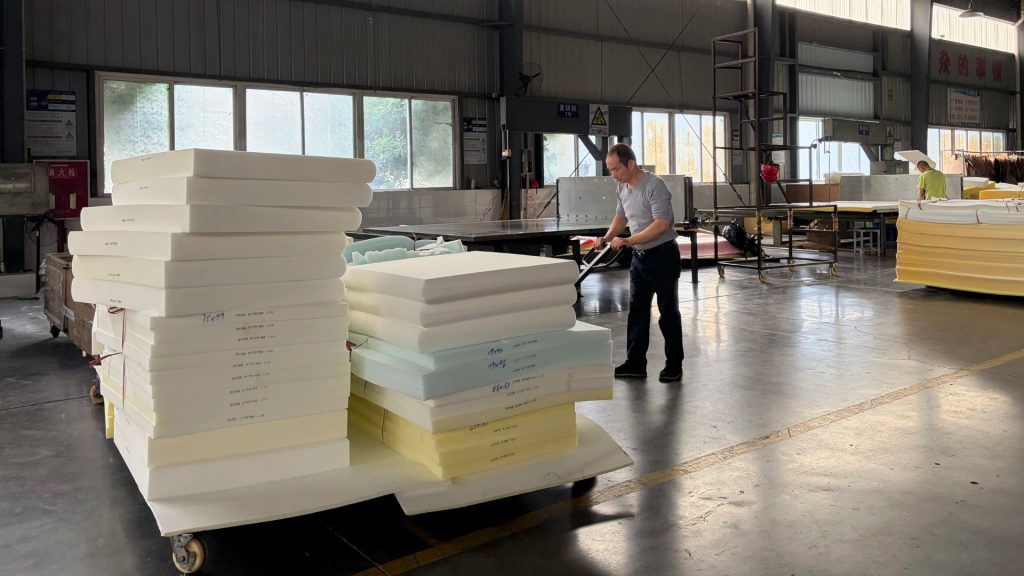
Three amendments came into force on 30 October 2025 under the Furniture and Furnishings (Fire) (Safety) (Amendment) Regulations 2025.
In January 2025, the government published a policy paper setting out plans to reform the 1988 regulations. A consultation opened on 31 March 2026 and closed on 23 June 2026.
As of 19 October 2026, the final regulations and implementation timetable had not been confirmed in the official sources reviewed. The government has said it will publish a response and timeline.
Three proposals sit in the consultation.
Proposal 1: A smoulder test
Requirements would be based on a smoulder test rather than mandatory open-flame testing. This assesses resistance to smouldering ignition, such as from a lit cigarette. The aim is to maintain fire safety while reducing reliance on chemical flame retardants.
Proposal 2: Composite or component testing
Manufacturers would choose between testing individual components and testing a composite assembly. Under the composite route, foam fillings would not need separate testing.
Proposal 3: Scope adjustments
Re-upholstery, repair and second-hand upholstered furniture would leave the future fire safety regulations and be regulated under the General Product Safety Regulations. The consultation also considers natural materials. Outdoor furniture is not proposed for removal.
The new British Standards intended to support the framework had not been published as of 19 October 2026. The Office for Product Safety and Standards is working with the British Standards Institution to develop them. Until they appear, the test methods remain unsettled.
The proposed policy remains subject to review and may change as a result of the evidence and views provided by stakeholders in response to this consultation.
All three are proposed changes, not current legal requirements. The final rules may differ, and the timetable matters for procurement planning.
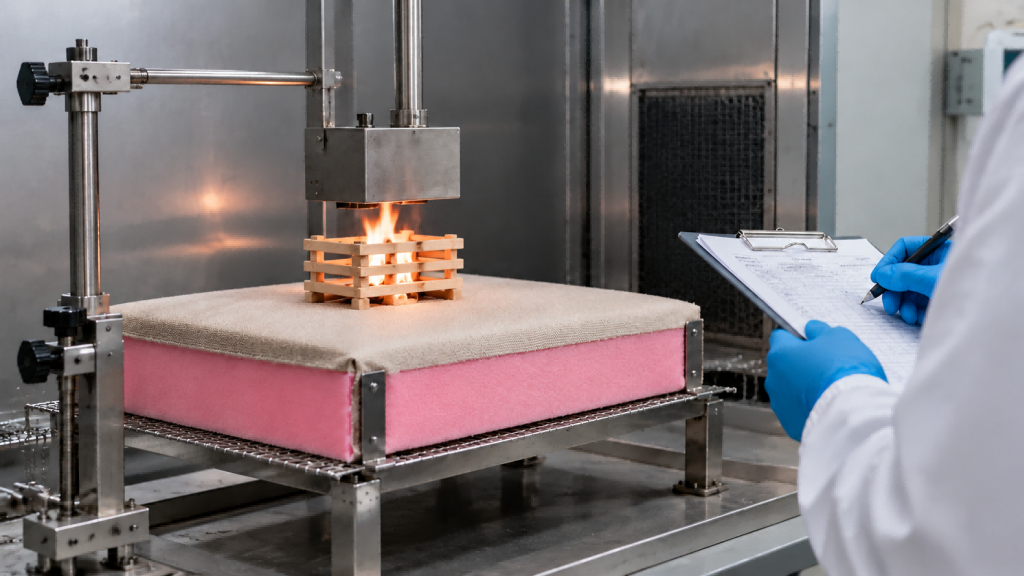
The direction is a shift from mandatory open-flame testing towards a smoulder-based framework. The effect on any product will depend on the final rules and standards.
| Area | Current position | Proposed direction |
|---|---|---|
| Foam and fabric | Cover materials face a match test, while foam fillings face a crib 5 test. | A smoulder test would replace mandatory open-flame testing. |
| Component versus composite | The current regulations prescribe tests for individual materials and certain composite fillings. | Manufacturers could choose between component testing and composite testing under the proposed framework. |
| Evidence after a change | Test reports relate to the product, materials and specifications assessed. | Requirements would depend on the final framework and supporting standards. |
None of this establishes which materials will be permitted. Claims that a particular foam, fabric or treatment will be approved or banned should be treated as unverified unless the final requirements support them.
Importers can review existing records against the rules in force and prepare for changes.
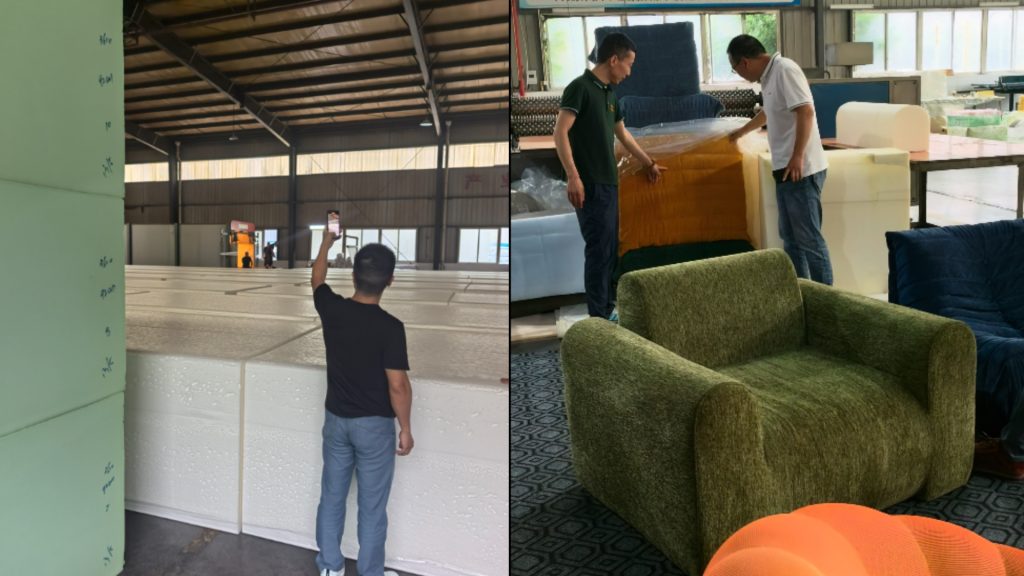
A test report should not be assumed to cover an entire product range. Importers should confirm which products, materials and configurations fall within its scope.
The reform is not final. Preparation should focus on responding to confirmed requirements rather than changing products early.
The period between publication of the final rules and their implementation will matter for product development and purchasing.
UK furniture fire safety requirements are in transition, but current law and proposed reform carry different legal weight. The 2025 amendments are in force. The wider reform remains a proposal, with no final requirements, standards or implementation timetable confirmed as of 19 October 2026.
For importers, the practical response is to maintain compliance with current requirements while preparing the records and supplier processes future changes will need.


